The CIA’s Global Footprint: Influence and Perception Over 250 Years
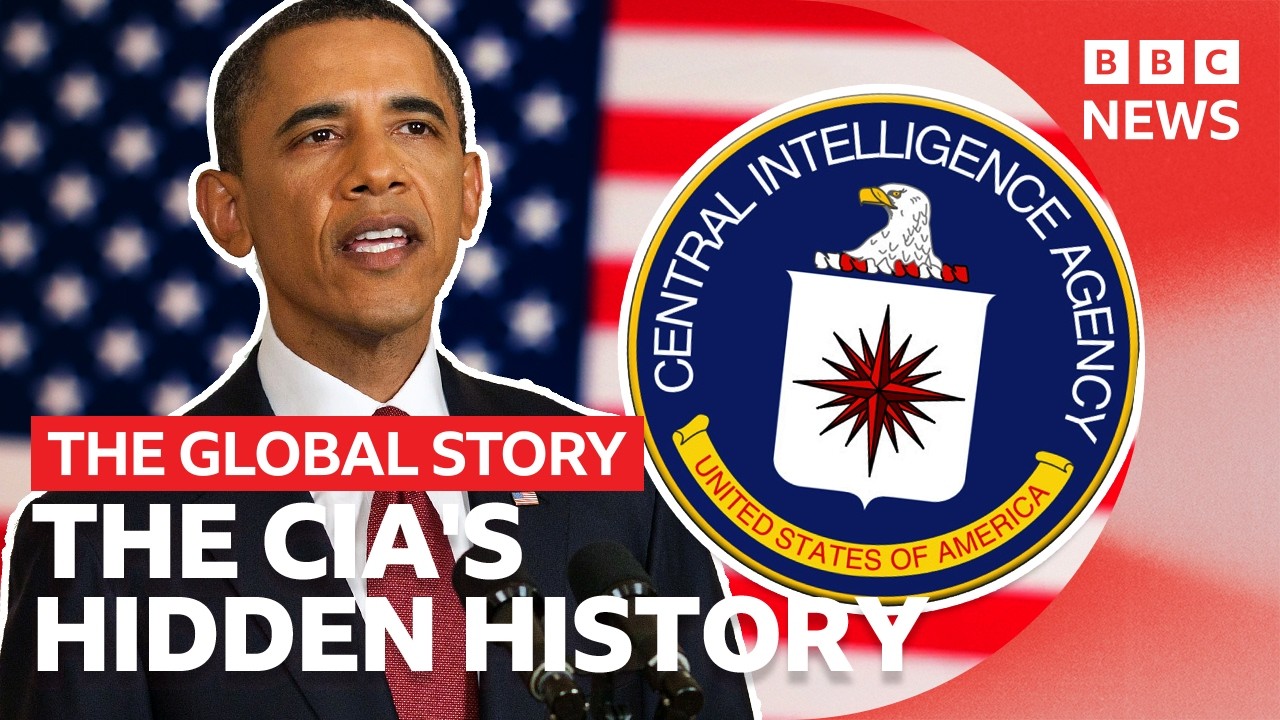
As the United States marks its 250th anniversary, it’s imperative to reflect on the forces that have shaped its identity on the global stage. Among these, the Central Intelligence Agency (CIA) stands out as a pivotal institution, known for both its covert operations and its complex legacy. The evolution of the CIA has not only defined America’s foreign interactions but has also significantly impacted how the world perceives the nation.
Originally established in the aftermath of World War II, the CIA aimed to gather and analyze intelligence vital to U.S. national security. However, the agency quickly evolved, particularly under the leadership of Allen Dulles, its first civilian director. Dulles transformed the CIA from a conventional intelligence-gathering organization into a vast network engaged in covert actions. This paradigm shift marked the beginning of numerous interventions, the repercussions of which still resonate today.
One of the most notable operations was the 1953 coup in Iran, orchestrated by the CIA to depose the democratically elected Prime Minister Mohammad Mossadegh. This act fueled resentment against the United States among Iranians and set the stage for decades of animosity. The moderate U.S. foreign policy of the early post-war years experienced a radical shift as a direct result of such interventions, leading to a landscape where trust between the U.S. and various nations often wavered.
To gain insight into the CIA’s implications, we turn to experts like Tim Weiner, a Pulitzer Prize-winning journalist and author who has extensively covered the agency. Weiner notes that the establishment of the CIA was fueled by a desire for information during a time when the world was rapidly changing. The end of the British Empire and the rise of the Soviet Union necessitated a formidable intelligence entity—a mission the CIA grappled with from the outset due to a lack of experience in peacetime operations.
As Weiner describes, the early CIA was marked by secrecy and a degree of operational ignorance reminiscent of today’s complex global challenges. This period of fear and uncertainty led to drastic measures, including the infamous Operation Artichoke, which aimed to develop mind control techniques through drug experiments. Such clandestine operations fed into a growing narrative that the CIA was involved in morally dubious actions, fuelling conspiracy theories that have persisted through the decades.
The legacy of these covert operations raises questions about the efficacy and ethicality of the CIA’s approach to foreign relations. Following events like the failed Bay of Pigs invasion in 1961—an attempt to overthrow Fidel Castro—the agency faced criticism for its lack of foresight and competence. Although these failures sometimes painted the CIA as inept, the United States ultimately prevailed in the Cold War, although it remains debatable whether that success was due to the agency’s actions or in spite of them.
Post-9/11, the CIA underwent a remarkable transformation. The focus shifted from espionage to counterterrorism as the agency confronted the unprecedented threat posed by Al-Qaeda. This pivot involved controversial tactics like enhanced interrogation techniques that sparked widespread condemnation. Weiner argues that such practices left an indelible stain on America’s reputation, complicating future foreign relations.
Today’s CIA finds itself grappling with a trust deficit. Assassination attempts and interventions continue to shape perceptions globally, often casting the agency as a "hidden hand" in international affairs. This perception is compounded by contemporary conflicts and covert operations, leading many to view the CIA as emblematic of American imperialism. The challenge lies in balancing national security needs with ethical transparency in an age where democratic values are undermined by the cloak of secrecy.
As the U.S. looks toward the future, the CIA’s influence remains a double-edged sword. The agency’s operations may still be seen as essential by some, yet it risks perpetuating mistrust among foreign allies. The convoluted interplay of intelligence, secrecy, and democracy suggests that the CIA will continue to be a contentious element of American foreign policy. As the nation reflects on its past, the legacy of the CIA serves as a reminder that the methods employed to safeguard national interests can profoundly shape global perspectives for generations to come.